Black Representation: A Different World (1987 - 1993)
Black Representation: A Different World (1987 - 1993)
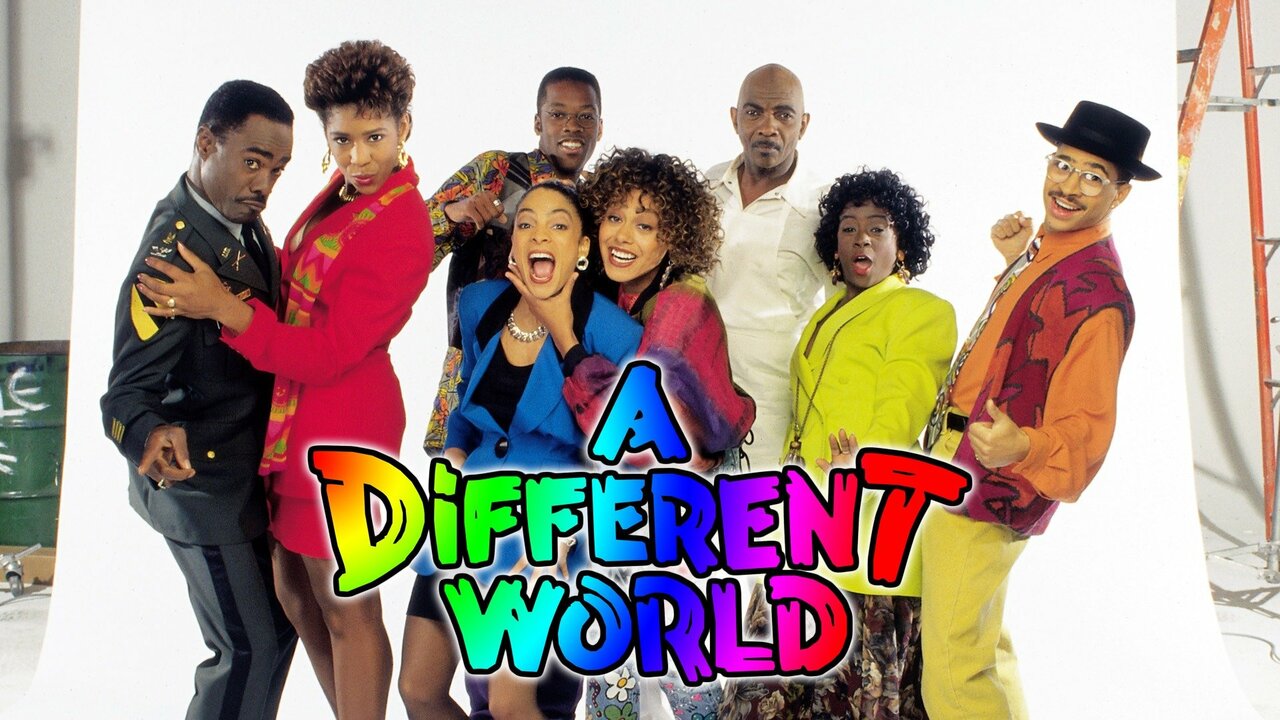
Throughout the 80s and early 90s we saw a surge in Black sitcoms, which meant audiences were exposed to a larger net of a Black cast and stories. Although Black people received more exposure, production companies focused more on the quantity of these shows as opposed to the quality (Campbell, 2023). But, there were some shows that offered unique and more relatable perspectives that essentially gave viewers a different taste of Black experiences in America. A great example of an outlier to these largely similar sitcoms during the time period would be A Different World (1987 - 1993). A Different World helped advance Black representation on television by showcasing the diversity within the Black community.
Unlike its predecessor, The Cosby Show, which primarily focused on a middle-class experience, A Different World highlighted various backgrounds, classes, and experiences among its characters. According to the book, Race in American Television: Voices and Visions That Shaped a Nation, Herman Gray notes that the show “broke with television’s conventional construction of African Americans as monolithic” by emphasizing differences in “backgrounds, classes, histories, complexions, and politics” (Leonard and Robbins, 173-174). This approach allowed the series to present a more meaningful portrayal of Black people by using college as a setting, as it “constructed a perspective from which to examine a broad range of issues of immediate relevance to African Americans” (Leonard and Robbins, 173-174).
The characters in A Different World, such as Denise Huxtable and Whitley Gilbert, embodied a variety of experiences, from upper-middle-class struggles to the challenges faced by students from different backgrounds. Furthermore, the show also tackled socially relevant issues including race, gender, and sexuality, which were often avoided in other sitcoms at the time. It addressed topics like sexual harassment and reproductive justice, showcasing the complex nature of the Black experience for women. By engaging with these themes, A Different World not only entertained people, but also did a great job in educating the audience without ruining the fun and comedic bits in the show, as sitcoms are intended to do. A Different World proved to reshape the cultural landscape of television and provide a platform for Black stories that had been historically marginalized.


Comments
Post a Comment